Have you ever wondered how your smartphone knows when to remind you about that meeting, or how your smart speaker can play your favorite song with just your voice? That's AI at work in our everyday devices! It's all about making technology smarter and more responsive to our needs.
At the heart of most AI-powered devices is something called machine learning. It's a type of AI that learns from data. For example, when you use your voice assistant to ask a question, it analyzes your voice, understands your request, and learns from it over time. The more you interact with it, the better it gets—like having a friend who remembers your preferences!
Another cool aspect of AI in devices is automation. Think about your smart thermostat. It learns your routine—like when you usually wake up or go to bed—and adjusts the temperature accordingly. This not only makes your life easier, but it can also help you save on energy bills. Less fuss, more comfort!
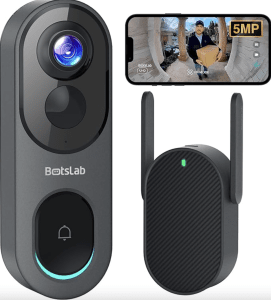
And let’s not forget about security features. Many devices use AI to enhance security. For instance, your home security camera can recognize faces and alert you if someone unfamiliar is hanging around your property. This kind of proactive approach helps you feel safer without thinking too much about it.
In short, AI is all around us, making our gadgets smarter and more user-friendly. From personalized recommendations on your favorite shopping apps to voice recognition that gets better each day, it's changing how we interact with technology in the best possible ways.
How AI Improves Your Daily Life
Hey there! You might be wondering how AI is really part of your daily life. It's truly fascinating how it pops up in places we often take for granted. From the moment you wake up to when you go to bed, AI is working behind the scenes to make things smoother and easier for you.
Ever use a smart assistant like Alexa or Google Assistant? They can set reminders, play your favorite tunes, or even adjust your thermostat just by listening to your voice. No more searching through your phone or struggling with buttons. Just ask, and it’s done! It’s like having a helpful friend right there with you.
How about those recommendations on Netflix or Spotify? That’s AI keeping track of what you like and suggesting new shows or songs you might fall in love with. You get personalized suggestions without having to dig through endless options. It really saves time and makes finding new favorites a breeze!
And then there are the apps that help manage your daily tasks, like budgeting tools and fitness trackers. These use AI to analyze your habits and provide tips tailored just for you. Want to save more money or hit your fitness goals? AI can identify patterns and suggest ways to improve, making it easier to stay on track.
So, whether it's simplifying your errands, brightening your entertainment options, or helping you stay organized, AI is like a quiet partner in your daily routine. It might not be visible, but its impact is definitely felt every day!
Understanding AI in Common Gadgets
AI is becoming a big part of our daily lives, and it’s surprising just how much it’s already integrated into the gadgets we use every day. From smartphones to smart speakers, AI helps these devices understand our preferences and improve our experience. But how does it actually work? Let’s break it down.
At its core, AI helps devices learn from our behaviors. Take your smartphone, for instance. When you use it to search for restaurants, AI algorithms analyze your past searches and suggest places based on what you like. The more you use it, the smarter it gets! It learns patterns and adapts to provide suggestions that feel personal to you.
Smart home devices, like voice assistants, work similarly. They listen to what you say and use AI to understand commands. When you ask your smart speaker to play a song or control your lights, it's not just a simple task; it’s an interpretation based on natural language processing. This helps the device figure out what you want, even if you don’t phrase it perfectly.
AI also enhances security features in gadgets. For example, many security cameras use AI to recognize faces and alert you when someone unfamiliar is near your home. This technology not only makes your home safer but also gives you peace of mind by keeping you informed without requiring constant attention.
Real Life Examples of AI Technology
AI is all around us, even if we don't always notice it. Let’s look at some real-life examples of how AI technology is making our daily routines easier and smarter.
One of the most common places we interact with AI is through voice assistants like Alexa, Google Assistant, or Siri. These devices can do everything from setting reminders to controlling smart home devices. Just ask a question, and they'll provide the answer or perform the task. It’s like having a helpful buddy right in your living room!
Then there’s the world of smartphones. Ever noticed how your camera can recognize faces or suggest filters? That’s AI at work! It analyzes images and learns to improve picture quality, making sure your selfies come out just right. Plus, AI can help organize your photos, grouping them by event or people automatically.
Don’t forget about smart thermostats, like the Nest. These gadgets learn your habits over time, adjusting the temperature based on when you're home or away. Not only does this keep you comfy, but it also helps save energy and cut down on those bills!
Lastly, let’s talk about fitness trackers. Many of these devices use AI to monitor your activity levels and analyze your sleep patterns. They can offer personalized tips for improving your health, like suggesting when to take a walk or when to wind down for the night. It’s like having a personal coach on your wrist!